
https://prode89.com/the-ultimate-guide-to-drinking-water-before-bed-balancing-hydration-and-sleep-quality/
Of all daily health habits, “drinking water” seems to be the simplest yet most overlooked. People often say “drinking more water is never a bad thing,” but this isn’t entirely true. Especially at night, when the body enters rest mode, the timing and amount of a glass of water can significantly impact your sleep quality that night. Drinking water scientifically is a micro-science that has long been underestimated.
In this fast-paced era, more and more people only remember to “hydrate” at night, but they are often woken up by their bladders in the early hours of the morning. This raises a new question—should we drink water before bed? And if so, how much, and what kind?
Water and Sleep: The Intersection of Two Rhythms
The human body operates with a sophisticated rhythmic system. During the day, water helps with metabolism, regulates body temperature, and transports nutrients; at night, the body switches to repair and detoxification mode, with the liver, kidneys, and nervous system working silently in the background.
Studies show that we lose approximately 300 to 500 milliliters of water through respiration, sweating, and skin evaporation during a night’s sleep. This process continues even if you don’t feel yourself sweating. Adequate hydration prevents fluid concentration, maintains blood circulation and body temperature balance, and allows the body to repair itself more efficiently at night.
However, if you drink too much water or too close to bedtime, your body’s water balance will be disrupted. Your kidneys have to work overtime to convert excess water into urine; and your bladder is forced to remind you at night that “the task is not finished.” This sleep interruption may seem brief, but it is enough to disrupt the deep sleep cycle.
A study published in the journal *Sleep* found that even a single interruption of deep sleep can reduce attention by 30% and increase reaction time by 20% the following day. In other words, the price of waking up at night may be sluggishness and irritability the next day.
Why are we more likely to be “wake up” by water at night?
Metabolic patterns differ at night from those during the day. When melatonin secretion increases, the kidneys naturally slow down their filtration rate—an “energy-saving mechanism” designed by the body to ensure continuous sleep. However, if you drink a lot of water half an hour before falling asleep, this mechanism is forcibly interrupted.
Physiologically, nocturia is also related to the level of antidiuretic hormone (ADH). This hormone helps the kidneys retain water, reducing urine production at night. However, ADH secretion decreases with age, making it easier for middle-aged and elderly people to wake up frequently at night. Data shows that more than 35% of adults over 50 years old wake up at least once a night.
Besides age, caffeine, alcohol, and certain medications (such as diuretics or antihypertensive drugs) can also interfere with nighttime fluid regulation. Even if these substances are consumed during the day, their effects may sometimes be delayed until the evening.
How much water should you drink before bed to be considered “just right”?
There is no absolute standard for the ideal amount of water to drink at night, but the scientific community generally agrees that three principles should be followed:
The amount should be small, generally between 150 and 250 ml, about a small cup of water. This amount is enough to replenish fluid loss without putting too much strain on the bladder.
early. Ideally, drink it 30 to 60 minutes before bed, not right before going to sleep. This allows the kidneys enough time to metabolize it.
Choose the right types of drinks. Avoid beverages such as tea, coffee, sugary sodas, or alcohol, as they either contain diuretics or affect sleep depth.
For those who are used to exercising in the evening or having a salty dinner, it is advisable to drink an extra glass of water in the evening beforehand, rather than “rushing to finish” before going to bed.
Drinking water before bed and body signals
The best way to determine if you’re drinking enough water is to observe your body’s feedback in the morning:
If you wake up with a dry mouth and dark yellow urine, it means you didn’t drink enough water the night before.
If you frequently get up at night in the early morning or experience swelling in the morning, it indicates that you are consuming too much water or too late in the morning.
If you wake up feeling refreshed, with soft skin and pale yellow urine, it indicates that your body was properly hydrated overnight.
These subtle differences often determine a person’s performance during the day. Scientists have even found that people who are mildly dehydrated at night experience a roughly 10% drop in cognitive test performance the following day.
More than just water: the “behind-the-scenes” role of electrolytes
Many people mistakenly believe that “drinking water” is merely about replenishing fluids, but what truly determines the body’s balance is the collaboration between water and electrolytes.
Minerals such as sodium, potassium, magnesium, and calcium play crucial roles in nerve conduction, muscle relaxation, and heart rate maintenance. Magnesium, in particular, activates GABA receptors, helping the nervous system enter a relaxed state and thus promoting sleep. If you experience nighttime cramps or difficulty falling asleep, it may not be simply due to dehydration, but rather a deficiency in magnesium or potassium.
Therefore, adding electrolyte-rich foods to your diet, such as bananas, spinach, almonds, avocados, or small amounts of coconut water, is often more effective than simply “drinking more water.”
On the other hand, excessive sodium intake (especially from processed foods or takeout) can lead to fluid retention, causing the body to mistakenly believe it has “too much water,” resulting in edema or nocturia. This illusion often leads people to mistakenly reduce their water intake, which in turn further exacerbates the fluid imbalance.
The “behavioral psychology” of drinking water before bed
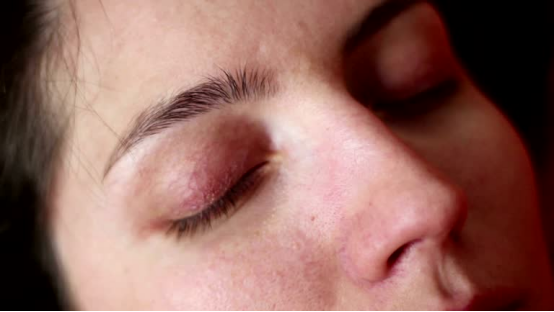
Drinking water is not only a physiological action, but also a psychological suggestion. Many people unconsciously slow their breathing and relax their shoulders when they pick up a cup before bed. This “ritualistic action” sends a signal to the brain that “it’s time to rest,” serving a similar purpose to meditation.
Psychologists call this phenomenon the “body-mind alignment response.” It illustrates that a small physical action can alter the rhythm of the mind. For those who have difficulty falling asleep or suffer from anxiety-related insomnia, slowly sipping a few sips of warm water before bed may be gentler and more effective than any sleep aid.
Precautions for special populations
Pregnant women: Because the uterus compresses the bladder, they are more likely to get up at night. They can drink water two hours in advance and only lightly moisten their throat before going to bed.
Elderly people: ADH secretion is reduced, so they should drink more water during the day and supplement with small amounts at night. If necessary, consult a doctor to adjust the drinking time.
Night shift workers: Because their circadian rhythm is disrupted, they should use “before going to sleep” rather than “at night” as the reference point for drinking water.
These differences illustrate that scientific drinking is not a fixed formula, but rather the cultivation of a “sense of rhythm”.
Subtle Interactions with Sleep Cycles
It’s worth noting that the body’s water needs differ at different stages of sleep. During the initial stages of sleep (light sleep), body temperature drops, and mild dehydration can lead to increased blood viscosity and an unstable heart rate, thus hindering the entry into deep sleep. Conversely, in the early morning, the body automatically secretes stress hormones to wake the body, and mild fluid deficiency at this time can amplify feelings of fatigue.
Therefore, the glass of water before bed is not only related to the peace of the night, but also affects one’s wakefulness in the morning.
Smart hydration: A shift from “quantity” to “perception”
In the past, we often heard the health advice to “drink eight glasses of water a day,” but this average calculation ignores individual differences. Modern health concepts emphasize “self-awareness”—learning to listen to your body, rather than mechanically following standards.
Do you often feel thirsty at night? Do you frequently wake up at 3 a.m.? Do you experience dizziness or dry skin during the day? These are not coincidences, but rather signals from your body indicating fluid imbalance.
An ideal strategy is:
Hydrate evenly throughout the day , rather than concentrating it all at night;
Drink a glass of warm water an hour after dinner to aid digestion and metabolism;
If your mouth is dry before bed, take only a small sip to moisten your throat .
Maintain bedroom humidity (40%-60%) to reduce false thirst caused by dry air.
With these fine-tuning techniques, you can avoid waking up at night without having to “endure thirst”.
Conclusion: Learn to negotiate with your body
True health management is not about restrictive control, but about working in harmony with your body. The art of drinking water before bed lies in understanding your body’s rhythms and respecting physiological feedback, rather than pursuing absolute rules.
We cannot dictate what time we fall asleep or how many times we wake up, but we can regain the balance between our body and rest through a glass of just the right amount of water.
Perhaps, that small sip of warm water tonight will not only soothe your throat, but also bring you closer to a truly deep and peaceful sleep.
https://prode89.com/the-ultimate-guide-to-drinking-water-before-bed-balancing-hydration-and-sleep-quality/