https://prode89.com/caffeine-half-life-effects-your-ultimate-guide-to-duration/
In today’s fast-paced life, coffee has become an essential part of our daily lives. From the first latte of the morning to the cold brew during late-night work sessions, caffeine seems to be everywhere. We know it can be a pick-me-up, but few truly understand how long the effects of a cup of coffee actually last. Why can some people drink espresso before bed and fall asleep peacefully, while others are kept awake all night after just one sip in the afternoon?
I. How caffeine works in the body
Caffeine is a central nervous system stimulant. Its main mechanism of action is to block a neurotransmitter called adenosine. Adenosine gradually accumulates throughout the day, causing the brain to produce a “drowsy” signal; when caffeine occupies adenosine receptors, this signal is temporarily “silenced,” and a person feels awake and focused.
However, this alertness isn’t a genuine increase in energy; rather, it’s a chemical process that “tricks” the brain. Physical fatigue remains, only temporarily masked. When the effects of caffeine wear off, the accumulated fatigue returns, which is why many people experience a noticeable “energy collapse” after the caffeine effect wears off.
II. What is the half-life of caffeine?
The term “half-life” refers to the time it takes for the concentration of a substance in the body to decrease by half. For caffeine, this figure is typically between 5 and 6 hours . That means if you drink a cup of Americano containing 200 milligrams of caffeine at 2 PM, about 100 milligrams of caffeine will still be active in your body by 8 PM.
This means that a cup of coffee eight hours before bedtime can still keep your brain in a slightly excited state. For some sensitive individuals, even coffee consumed in the afternoon can lead to difficulty falling asleep or decreased sleep quality.
III. Individual Differences: Why are some people immune to alcohol?
The rate at which caffeine is metabolized is not the same for everyone. It mainly depends on the difference in the expression of a liver enzyme gene called CYP1A2 . People with the “fast metabolizer” gene can break down caffeine faster, so they have a higher tolerance for coffee; while people with the “slow metabolizer” gene, on the contrary, may have a stimulating effect from a cup of regular coffee that lasts for more than ten hours.
In addition, age, gender, medications, and hormonal status can also affect metabolic rate. For example:
Older adults have slower metabolisms, so caffeine stays in their system for longer.
Due to hormonal changes during pregnancy, the half-life of caffeine may be extended to 9 to 10 hours.
People taking birth control pills or antidepressants may also experience a slowed metabolism.
In other words, the same cup of coffee can mean completely different nights for different people.
IV. Hidden Sources of Caffeine: More Than Just That Cup of Coffee
Even if you don’t drink coffee, it’s difficult to completely avoid caffeine. It’s present in many seemingly “harmless” drinks and foods:
Green tea and black tea : Each cup contains approximately 30 to 70 milligrams of caffeine;
Dark chocolate : contains approximately 40 to 60 milligrams per 100 grams;
Energy drinks : Each can contains an average of over 150 milligrams;
Coca-Cola and soft drinks : Each 12-ounce can contains approximately 35 milligrams;
Painkillers or cold medicines : Caffeine is added to some medications to enhance their effectiveness.
When these sources are combined, it’s easy to unknowingly exceed the recommended daily intake limit of 400 milligrams . This is precisely the safety threshold recommended by the World Health Organization and the FDA; exceeding it may trigger anxiety, increased heart rate, or insomnia.
V. The “Lag Effect” of Caffeine: Why are you still awake at night?
Caffeine doesn’t take effect immediately after consumption. It typically reaches peak blood concentration 30 to 60 minutes after ingestion, and then gradually metabolizes. Therefore, the effects of a cold brew drink at 5 PM often begin to appear around 6 or 7 PM.
This also explains why some people feel alert even after drinking coffee in the evening when trying to fall asleep. Especially at night, when the body begins to secrete melatonin and prepares to enter a resting state, the stimulating effect of caffeine counteracts this, thus delaying the onset of sleep.
More subtly, caffeine reduces the proportion of time spent in deep sleep (slow-wave sleep) . Even if you fall asleep easily, you may sleep lightly, have many dreams, and wake up easily—still feeling tired when you wake up the next day.
6. The “Misaligned Relationship” Between Coffee and Sleep
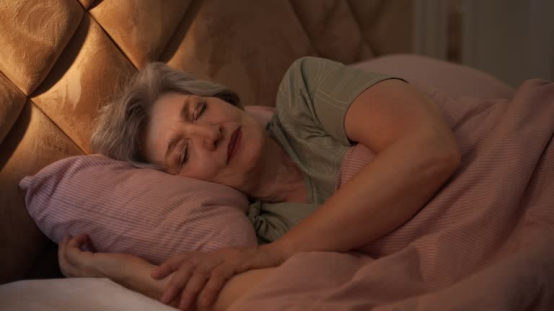
Long-term caffeine dependence can create a cycle where “the worse you sleep, the more you crave caffeine, and the more you drink, the harder it is to fall asleep.” Sleep deprivation leads to higher levels of adenosine in the body, making people crave the energizing effect of caffeine; however, caffeine further inhibits sleep recovery, causing fatigue to accumulate.
Studies show that people who consume more than three cups of coffee a day experience an average decrease in sleep efficiency of about 15%. This effect is not immediately apparent, but it gradually weakens the body’s perception of its natural sleep rhythm over the long term.
7. How to drink coffee in a reasonable way without affecting sleep?
Completely giving up coffee isn’t necessary; the key is managing the timing and amount you consume . Here are some practical tips from sleep research experts:
Set a “coffee curfew” : finish your last cup of coffee no later than 2 PM. This way, the caffeine in your body will be mostly metabolized before you fall asleep.
Control your daily intake : Use 8-ounce (about 240 ml) servings of regular Americano as a unit, and do not exceed three cups.
Distinguish between need and habit : Many people drink coffee not because they are tired, but because of psychological inertia. Try replacing one of your cups with a decaffeinated coffee.
Be mindful of hidden sources : Avoid consuming caffeinated desserts or drinks at night, especially dark chocolate and energy drinks.
Listen to your body’s signals : If you still have trouble falling asleep at night, try not drinking coffee for a week and observe the changes in your sleep.
VIII. Scientific Alternatives: Balancing Awakeness and Relaxation
For those who need to stay focused but don’t want to sacrifice sleep, here are some low-risk alternatives to try:
Green tea and matcha : contain L-theanine, which can relieve anxiety caused by caffeine and make you more alert;
Sufficient sunlight : Receiving natural sunlight in the morning can help reset the body’s biological clock and improve alertness during the day;
Short naps : A 20-minute “energy nap” is often more effective than a cup of coffee;
Aerobic exercise : Light running or stretching can naturally increase dopamine levels, bringing a clear-headed rather than anxious mental state.
These methods allow you to maintain brain efficiency and rhythm without relying on caffeine.
IX. Rebalancing Coffee Culture and Personal Rhythm
In the United States, coffee is more than just a beverage; it’s a cultural symbol. Corner coffee shops, office coffee machines, late-night cold brew delivery—it represents efficiency and alertness, reflecting the constantly on-the-go state of modern life. But the alertness coffee brings is essentially “borrowed time.” When the body constantly overdraws its recovery opportunities, one day it will pay the price.
Re-understanding the half-life of caffeine may be the starting point for modern people to learn to “slow down.” A cup of coffee in the morning can be a ritual, but the night is a time for the body and mind to reboot.
Conclusion: The price of sobriety, or the wisdom of balance?
Caffeine never truly eliminates fatigue; it merely delays the body’s urges.
True wakefulness isn’t about having another cup of espresso, but about giving yourself time to recover.
Perhaps, tomorrow morning’s first cup of coffee can wait a little longer.
https://prode89.com/caffeine-half-life-effects-your-ultimate-guide-to-duration/